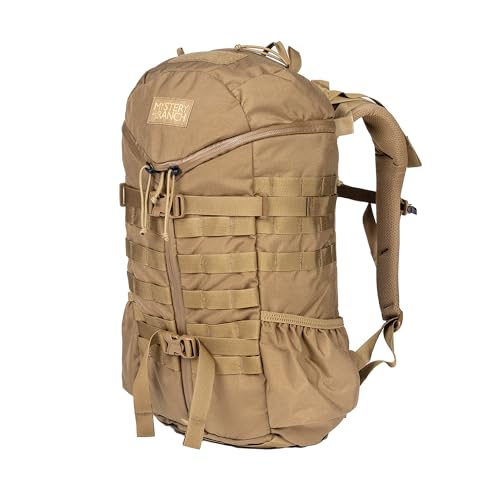
Start with the trip rather than the brand ladder
Describe the outing you are planning: a short walk with water and a layer, a full day with food and equipment, or an overnight trip with sleeping gear. Then list the items you expect to carry. The useful outdoor backpack comparison is between models built for that kind of load, not between a brand's lightest daypack and another brand's largest trekking pack.
Think about awkward items early. A rigid food container, bulky sleeping bag or camera case may determine the shape of the pack you need. If you are still assembling your equipment, avoid committing to a precise capacity before you understand the bulk of the main items. A pack chosen around a hypothetical future kit can be frustrating with the equipment you actually own.
Torso fit comes before a favorite logo
Outdoor packs may offer several sizes and different adjustment ranges. Osprey's official fit guide publishes model-specific sizing tables rather than one universal measurement for the entire brand. Use the chart for the exact model and size you are considering. A familiar size label on your old pack is not enough to establish the correct choice in a different range. Osprey fit guide
REI's fitting guidance emphasizes torso length and hip circumference. That gives you a better starting point than choosing from height alone. Follow the manufacturer's measurement instructions or ask a trained shop fitter to help. Once measured, try the candidate pack with a representative load; the chart narrows your options but does not replace your own fitting experience. REI backpack guide
Compare harnesses under similar conditions
When trying two bags, use similar contents and adjust each according to its instructions. An empty pack can hide differences that become obvious when loaded. Pay attention to strap placement, how the hipbelt sits, whether the bag moves awkwardly and whether the frame or back panel creates pressure you dislike. Give yourself time to readjust before judging a model.
Do not assume that more padding or more adjustment hardware automatically means a better fit. Those features need to work with your body and your intended load. If you reach the end of an adjustment range and still cannot get a satisfactory fit, try another size or design. Buying a prestigious model despite a poor fitting session is an expensive way to ignore useful evidence.
Make access decisions around the route
A top opening may be sufficient when most equipment stays packed all day. Additional access can be useful when you frequently retrieve a camera, extra clothing or shared supplies. Decide where you want water, snacks and weather layers before comparing pocket counts. A pocket is valuable when it accommodates the object and you can reach it when needed.
Check features that may be sold separately, such as a reservoir or rain cover, in the exact product description. Consider how the pack will be handled away from the trail as well: stored in a car, carried on public transport or packed for a flight. Exterior attachments that are useful outdoors may need organizing during those transitions. Evaluate the complete trip, not just the walking portion.
Choose the model that makes sense after fitting
Shortlist the packs that carry your real equipment comfortably and give you the access you need. Then compare empty weight, repair options, price and appearance. If no candidate is comfortable, revisit the fit and load instead of forcing a decision because a sale is ending. A different model within the same brand may feel different, so neither one success nor one failure describes its entire range.
Keep your fitting notes precise: which size, how much equipment, which adjustment and what felt wrong or right. These notes are more useful than remembering that one brand seemed comfortable. They also help when shopping online after an in-store fitting, since you can ensure the offer matches the exact model you tried. The right outdoor brand is ultimately the one with an appropriate model that fits your needs today.
Related questions
Which outdoor backpack brand is most comfortable?
Comfort depends on the model, torso size, harness and carried load. Compare correctly adjusted candidates with similar realistic contents.
Should I choose a hiking backpack size from my height?
Use the exact model’s torso and hip fitting guidance. Height alone does not establish the correct harness size.